Why Dallas Is the Smart Choice for Growing Businesses: Cost, Talent & Connectivity
Why Dallas Remains a Smart Choice for Growing Businesses
Dallas continues to stand out as a business-friendly ecosystem where transport connectivity, affordable operating costs, and a deep talent pool intersect. For companies evaluating expansion or relocation, understanding the city’s strengths and practical considerations helps shape a strategic move that supports long-term growth.
What makes Dallas attractive
– Central logistics hub: Dallas-Fort Worth International Airport is a major cargo and passenger gateway, and the region’s highway and rail networks provide rapid access to domestic markets. That infrastructure supports efficient supply chains and last-mile distribution for retailers, manufacturers, and logistics firms.
– Competitive cost structure: Compared with many coastal metros, Dallas offers lower office rents, industrial lease rates, and overall cost of living, which can translate into healthier margins and more attractive salary-to-cost ratios for employees.
– Diverse industry mix: Energy, healthcare, finance and fintech, logistics, and technology firms all have strong footprints. That industry diversity reduces concentration risk and creates cross-sector partnership opportunities.
– Talent pipeline: A growing number of universities and professional programs supply engineers, healthcare professionals, technologists, and business graduates. Remote-friendly policies combined with local recruiting help companies fill specialized roles.
– Pro-business environment: Local and state incentives, workforce training initiatives, and a regulatory climate tailored to economic growth make Dallas a pragmatic choice for companies that need scalable operations.
Current trends shaping the market
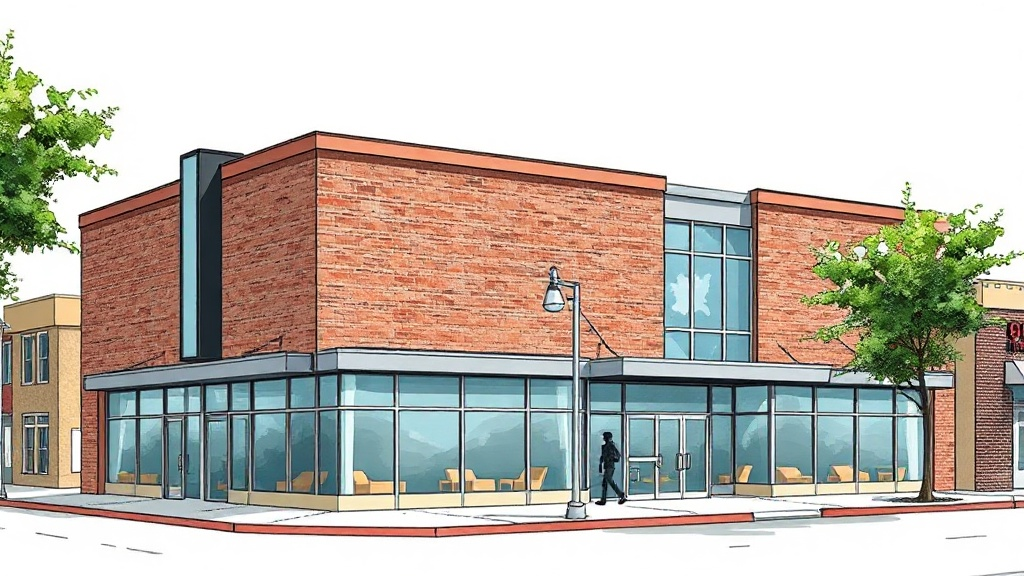
– Office space adapts: As hybrid work becomes a norm, office demand is evolving. Landlords and occupiers are shifting toward flexible layouts, amenity-rich spaces, and mixed-use conversions that emphasize collaboration and talent attraction.
– Industrial and logistics growth: E-commerce and reshoring trends keep industrial space in high demand, especially near major highways and intermodal facilities. Last-mile distribution centers and cold-chain facilities are particularly sought after.
– Tech and finance convergence: Fintech startups and established financial institutions are tapping local tech talent, creating clusters where product development, data analytics, and compliance intersect.
– Focus on talent retention: Upskilling, tuition assistance, and partnerships with technical schools are increasingly part of employer strategies to reduce turnover and fill middle-skill roles.
Practical advice for businesses considering Dallas
– Prioritize site selection: Balance cost, access to talent, and connectivity. Industrial users should prioritize proximity to major highways and DFW Airport; office users should weigh transit access and neighborhood amenities.
– Leverage workforce programs: Tap into local workforce development programs and partnerships with universities to reduce recruitment friction and build pipelines for specialized roles.
– Plan for flexible space needs: Negotiate lease terms that allow scalability and consider coworking or satellite hubs to support hybrid teams.
– Engage with the ecosystem: Join local business groups, chambers of commerce, and industry meetups to build partnerships and access market intelligence quickly.
– Factor in quality-of-life perks: Housing availability, school options, and cultural amenities matter for attracting mid-career hires and their families.
For executives and founders, Dallas offers a pragmatic mix of connectivity, cost advantages, and industry diversity that supports scaling businesses. Whether the priority is distribution efficiency, access to specialized talent, or a competitive operating environment, the metro area provides options and support networks that accelerate growth. Exploring local incentives, assessing neighborhood-level tradeoffs, and aligning real estate decisions with workforce strategy will help convert Dallas’ opportunities into measurable outcomes.