The Ultimate Guide to Living in Dallas: Neighborhoods, Food, Parks & Jobs
Dallas blends big-city energy with unmistakable Southern hospitality, creating a vibrant place to live, work, and explore.
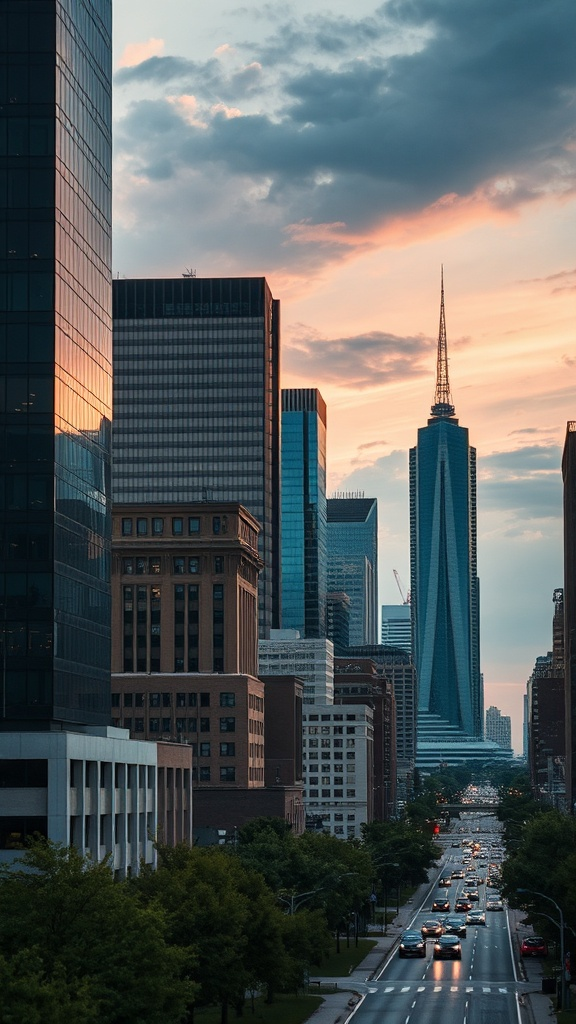
Whether you’re drawn by a growing job market, an evolving food scene, or sprawling parks and trails, the city offers neighborhoods and experiences to match a wide range of lifestyles.
Neighborhoods to know
– Uptown: Walkable and polished, Uptown is popular for nightlife, upscale apartments, and easy access to the Katy Trail.
– Deep Ellum: A creative hub with live music venues, street art, and an indie spirit that keeps the nights lively.
– Bishop Arts District: Eclectic boutiques, independent restaurants, and a neighborhood feel that’s perfect for weekend wandering.
– Oak Cliff and Lakewood: More residential with charming bungalows, tree-lined streets, and strong local communities.
Each area has a distinct personality—choose based on whether you prioritize walkability, dining, schools, or nightlife.
Food and drink
Dallas is a serious food city. Expect classic Texas barbecue and Tex‑Mex alongside modern, chef-driven restaurants.
Brunch culture is strong, craft breweries and cocktail bars are popping up across neighborhoods, and food halls offer quick access to local vendors. Farmers markets and foodie festivals make it easy to sample the city’s culinary diversity.
Arts, culture, and entertainment
The downtown arts district hosts major museums, performance halls, and contemporary galleries. Deep Ellum remains the epicenter for live music, while neighborhood galleries and public murals add color across the city. Sports are a big part of local life, with major professional teams drawing fans for high-energy games and tailgates.
Parks and outdoor activities
Outdoor spaces are surprisingly abundant: urban parks, lakeside trails, and riverfront greenways offer options for running, cycling, paddling, and picnics. Klyde Warren Park bridges downtown to uptown with regular programming, while larger natural areas provide scenic escapes without leaving the metro area.
Work and innovation
A growing cluster of tech startups, corporate headquarters, and creative agencies has diversified the local economy beyond traditional energy and finance. Coworking spaces and incubators make it easier for entrepreneurs and remote workers to plug in.
The city remains attractive to companies seeking a central location with lower operating costs than many coastal metros.
Getting around
Driving is common, and tollways can make cross-city trips faster. Public transit includes light rail and buses serving many neighborhoods, and bike-friendly routes are expanding. Rideshare and micromobility options add flexibility for short trips. Expect commutes to vary significantly depending on where you live and work—proximity to major corridors often improves daily travel time.
Housing and living considerations
Housing options range from historic homes and suburban-style single-family neighborhoods to modern apartments and condos. While housing prices have risen with demand, many people still find better value compared with densely populated coastal cities. Prioritize neighborhood traits like school options, walkability, and commute routes when evaluating where to move.
Tips for newcomers
– Visit neighborhoods at different times of day to get a feel for noise and traffic.
– Prepare for hot summers—good A/C is a must.
– Explore local festivals, food halls, and farmers markets to meet the community.
– Use a mix of transit, cycling, and driving to find the most efficient routes.
Dallas is a city of neighborhoods, flavors, and a lively cultural scene. Whether you’re scouting a move, planning a weekend, or just curious, there’s always a new street, plate, or park to discover.