Fort Worth Attractions: Museums, Stockyards, Trails & Neighborhood Eats
Fort Worth attractions balance Western heritage, world-class museums, and thriving neighborhoods, making the city a versatile destination for residents and visitors.
Whether you’re drawn to rodeo tradition, cutting-edge dining, or expansive greenways, Fort Worth delivers a blend of authenticity and modern growth.
Start with culture: the city’s museum district is compact but powerful.
Major institutions showcase everything from European masterpieces to contemporary installations and American art. Small, curated venues add local flavor with rotating exhibitions that highlight Texan artists and Western themes. Nearby performance venues host touring Broadway shows, symphony concerts, and intimate theater productions, so there’s consistently something on stage.
Historic charm lives on in the Stockyards, where daily cattle drives, western wear shops, and classic honky-tonks recall the city’s ranching roots. The Stockyards area also hosts rodeo events and festivals that celebrate cowboy culture—great for families and anyone interested in an authentic Texan experience. After a day of exploring, savor barbecue and Tex-Mex at nearby eateries, or find craft cocktails in a restored saloon.
Downtown Fort Worth is unexpectedly walkable. Sundance Square anchors the area with boutiques, public art, and an active dining scene perfect for sidewalk seating on pleasant evenings.
The Water Gardens offer a peaceful urban oasis: tiered pools and dramatic water features provide a cooling backdrop and excellent photo opportunities.
Recent waterfront and streetscape improvements are making downtown more pedestrian-friendly and increasing options for outdoor dining and evening strolls.
Outdoor recreation is a standout. The Trinity trails system runs through the city, connecting parks, bike lanes, and riverfront green space. Kayak and paddleboard rentals are popular on calmer stretches of the river, while multiuse trails appeal to runners and cyclists. Ambitious riverfront development projects aim to expand parkland and recreational amenities, enhancing opportunities to enjoy the outdoors without leaving the city.
Food and drink scenes are evolving rapidly.
Chef-driven restaurants have multiplied alongside classic diners and barbecue joints, creating a rich culinary landscape.
Neighborhoods like the Near Southside and cultural districts offer everything from upscale tasting menus to casual gastropubs and an expanding roster of craft breweries. Farmers markets and specialty grocers make sourcing local ingredients easy for home cooks.
Neighborhoods are becoming destinations in their own right.
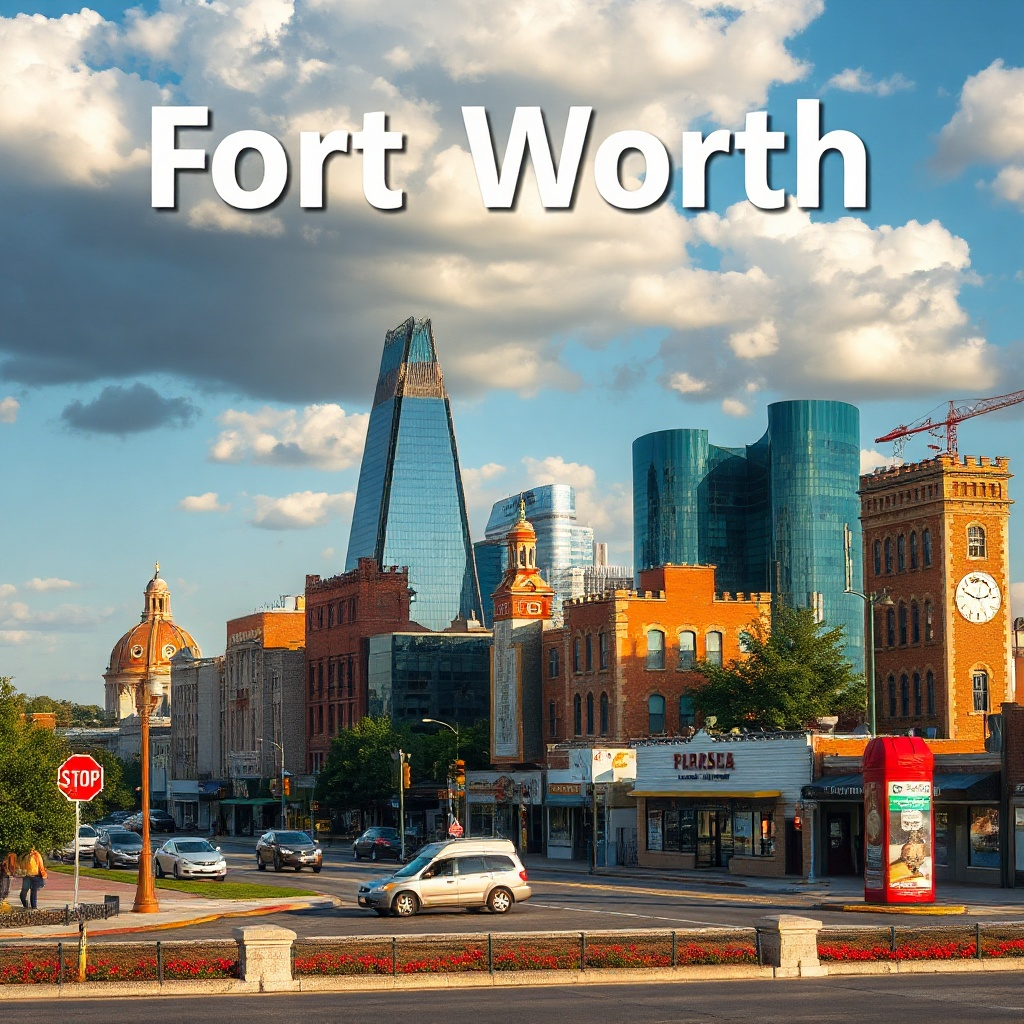
The Near Southside blends historic homes with galleries, coffee shops, and a lively bar scene.
Cultural districts host monthly openings and block events that draw crowds. Real estate development is focused on walkability and mixed-use projects, which supports a live-work-play lifestyle that many find appealing.
Practical tips: plan museum visits earlier in the day to avoid crowds, and check event calendars for live music or rodeo performances that can define a Fort Worth experience. Traffic can pick up during special events, so consider public transit or parking apps for convenience. For weather-sensitive activities, morning or late-afternoon hours are often the most comfortable.
Fort Worth’s appeal lies in its balance—heritage preserved alongside contemporary growth. The city is a compelling choice for those who want cultural depth, outdoor access, and a dynamic food scene without sacrificing a sense of place.
Whether you’re exploring museums, cheering at a rodeo, or wandering river trails, Fort Worth offers memorable experiences that invite repeat visits.