Dallas-Fort Worth (DFW) Travel & Commute Guide: Practical Tips for Getting Around
DFW Moves: Practical Tips for Getting Around and Enjoying the Region
Dallas–Fort Worth is a vast, fast-moving region where transportation options, neighborhood scenes, and quality-of-life factors shape daily life. Whether you’re commuting, flying through the airport, or exploring local neighborhoods, a few practical habits make getting around easier and more enjoyable.
Master the major travel hubs
DFW Airport is one of the region’s busiest gateways. For smoother travel, allow extra time for security and terminal transfers, and take advantage of TSA PreCheck or mobile boarding passes when available.
The airport’s internal train system and shuttle services help with terminal-to-terminal connections; know your arrival and departure terminals ahead of time to avoid last-minute sprints.
Regional rail and commuter options
Multiple rail systems and commuter lines link Dallas and Fort Worth with suburbs and the airport. Use rail for predictable travel during peak traffic hours—trains can be faster than driving across the metroplex. Park-and-ride lots near stations are convenient for combining driving and rail. Check schedules via official transit apps and plan transfers in advance to minimize wait times.
Navigate traffic intelligently
Rush-hour congestion is concentrated along major interstates and beltways.
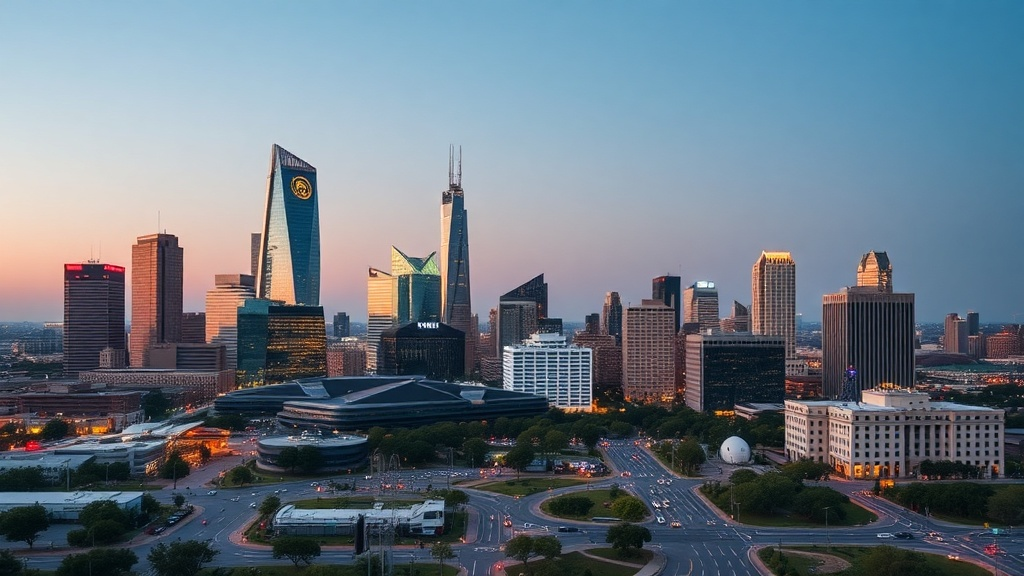
Managed lanes and tolled routes offer faster, more reliable commutes for drivers willing to pay a bit more. Toll accounts with the regional authority simplify payments and avoid citation hassles. If your work supports hybrid schedules, shifting commute days or hours can dramatically reduce travel stress.
Micromobility and last-mile solutions
E-scooters, bike-share programs, and bike lanes are expanding in walkable neighborhoods and near transit stations. For short trips, micromobility can be faster than driving and often more affordable. Always follow local rules, wear a helmet where recommended, and park scooters and bikes in designated areas to keep sidewalks clear.
Choose neighborhoods to match your lifestyle
If walkability, nightlife, and restaurants matter, look to neighborhoods with mixed-use development and strong transit connections—districts with bike lanes, parks, and pedestrian-friendly streets reward short commutes and active living.
Suburban communities offer larger homes and strong school systems but may require driving for many errands.
Factor commute times, transit access, and local amenities when choosing where to live.
Make parking and deliveries easier
Parking varies wildly by area. Urban districts may favor paid garages and permit parking, while many suburban centers have free surface lots. For delivery-heavy households, set clear instructions for couriers and use secure delivery lockers or pickup points when available. During busy holiday or event periods, allow extra time for deliveries and pickups.
Safety and seasonality
Weather can affect travel plans—heavy rain, high winds, and occasional severe storms can disrupt roads and flights.
Monitor local alerts and weather forecasts before long drives or air travel.
Keep emergency kits in vehicles, especially for longer highway trips.
Explore beyond the commute
DFW’s cultural districts, parks, and dining scenes reward exploration off the beaten path. Plan weekend trips using transit where possible, check local event calendars, and support neighborhood businesses. Walkable districts near transit hubs often host farmers markets, live music, and culinary finds that make exploring by foot especially pleasant.
Smart planning and a flexible mindset make navigating the DFW region much less stressful.
Use transit for predictable trips, consider micromobility for last-mile needs, and pick neighborhoods that match daily priorities—those small choices add up to a better daily experience across the metroplex.