Dallas-Fort Worth Commercial Real Estate: What Multifamily and Distressed Office Deals Reveal About the Market
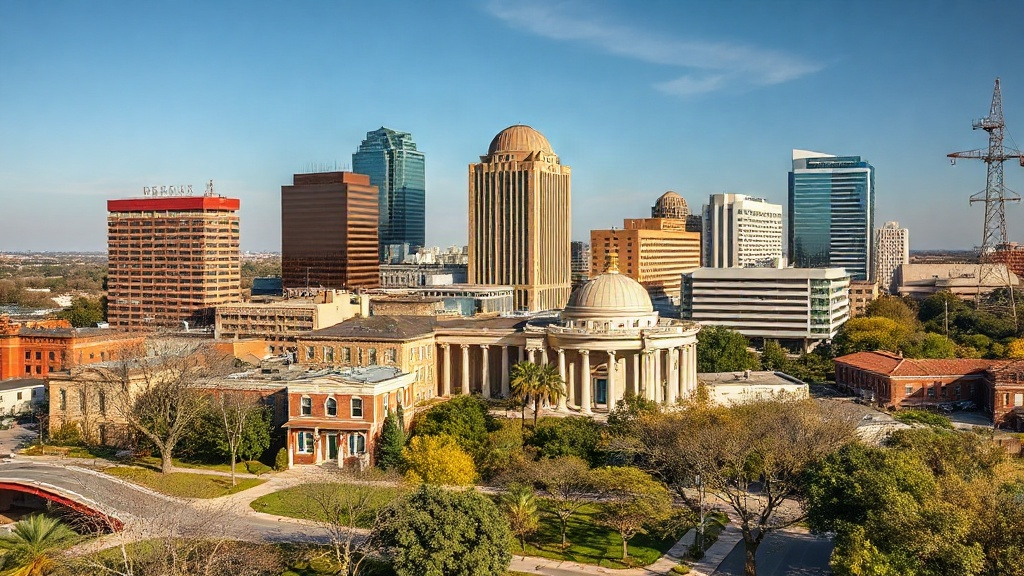
Dallas-Fort Worth remains one of the most closely watched commercial real estate markets in the country, and the latest deal activity shows why. Two recent transactions, one in multifamily and one in office, capture the push and pull shaping the metro right now: capital is still moving toward housing, while older office assets are being repriced and handed to new owners.
Multifamily: Syndicator-to-Syndicator Trades Signal a Market Reset
S2 recently sold a suburban Dallas apartment property to Rise48, a transaction between two syndicators. These trades tend to say a lot about where the cycle stands. When one sponsor exits and another steps in, it often means the first has reached the end of its business plan or hold period, while the buyer sees room to create value at the current basis.
Suburban submarkets have long been a draw for apartment investors in North Texas. Strong job growth, corporate relocations, and a deep pool of renters have kept demand healthy. At the same time, the metro absorbed a wave of new apartment construction, which gave renters more choices and put pressure on rent growth in several areas. Owners who bought at peak pricing with floating-rate debt have felt the squeeze most, and that pressure has produced a steady flow of trades, recapitalizations, and sales.
For renters, the added supply has been a quiet benefit. Concessions and more competitive pricing have become common in many parts of the metro. For investors, it means underwriting has become more conservative, with more attention to expense control, insurance costs, and property taxes, all of which weigh heavily in Texas.
Office: Distressed Assets Find New Owners
On the office side, a distressed Dallas office building recently traded to Rainier and HPI. Deals like this reflect a broader reality: older, commodity office space has struggled with lower occupancy, higher borrowing costs, and tenants who want fewer square feet or more modern buildings.
Dallas has a mixed picture. Premier, amenity-rich towers in places like Uptown, Preston Center, and the Platinum Corridor continue to attract tenants looking for quality. Meanwhile, aging buildings with heavy debt loads or deferred maintenance are the ones landing in distress. Buyers willing to step into those situations are typically betting on a lower price per square foot, a renovation plan, and an eventual recovery in leasing demand. Some also see long-term potential for repositioning or redevelopment.
What These Deals Mean for the Broader Market
Taken together, the two transactions point to a market in transition rather than one in retreat. A few themes stand out:
- Capital is selective. Buyers are active, but they favor assets where the numbers work at today's interest rates. - Price discovery is ongoing. Distressed sales help set new benchmarks, which can unlock more transactions once sellers and buyers agree on value. - Quality matters more than ever. Well-located, well-maintained properties in both sectors continue to outperform. - Operators with experience have an edge. Whether stabilizing an apartment community or revitalizing an office building, hands-on management is the differentiator.
Why Dallas Still Attracts Investors
The fundamentals behind North Texas have not changed dramatically. The region offers a diversified economy, a business-friendly climate, a growing population, and a steady stream of corporate headquarters and expansions. Those factors support long-term demand for both housing and workspace, even as individual properties go through rough patches.
For homebuyers and renters, the ripple effects show up in neighborhood development, new retail and mixed-use projects, and a rental market with more options. For investors, the opportunity lies in patience and discipline: buying at realistic prices, using conservative debt, and focusing on submarkets with strong employment ties.
What to Watch Next
Keep an eye on interest rate direction, loan maturities, and new construction starts. Each will influence how many more distressed or recapitalized assets reach the market. If borrowing costs ease, expect transaction volume to pick up. If not, more owners may be forced to sell, creating additional openings for well-capitalized buyers.
Either way, Dallas real estate continues to be a market where deal flow reveals the story early, and the latest trades in suburban apartments and distressed office space are worth following closely.